

Weeknight Win Lemon Dill Fish with Roasted Veg
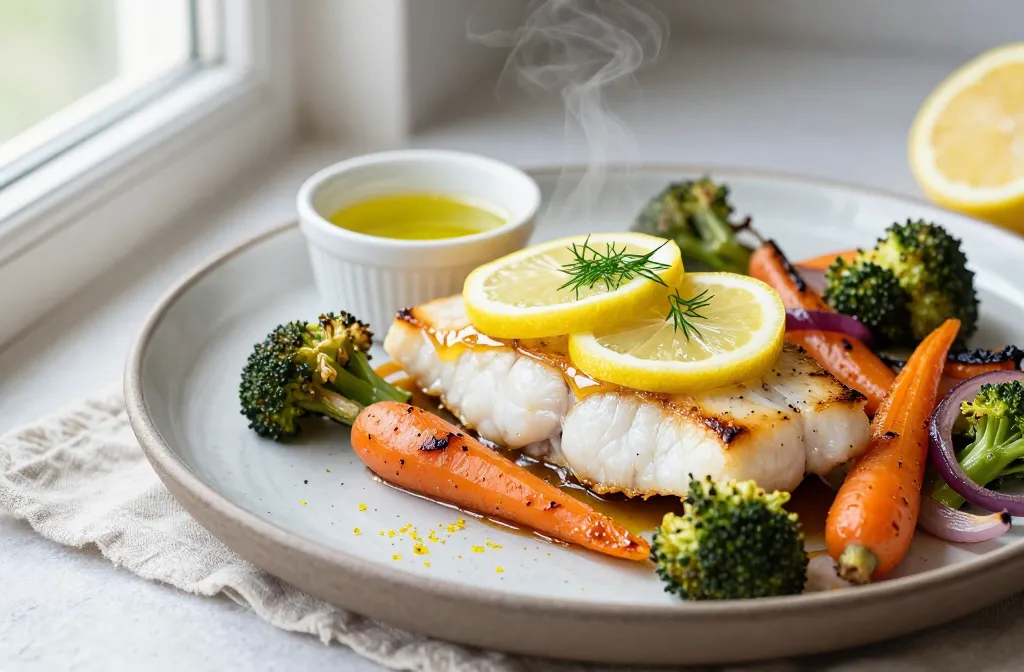
Meet your new weeknight hero: flaky, lemony fish with a side of caramelized roasted veggies. It’s bright, fresh, and ridiculously fast. We’re talking one pan for veg, one skillet for fish, and dinner in under 35 minutes. The dill brings springtime energy, the lemon keeps things zippy, and the roasted veg add that cozy, golden edge. Ready to cook something that feels fancy but is totally low-stress?
Why This Lemon Dill Fish Totally Slaps
- Big flavor, minimal effort: Lemon, garlic, and dill do the heavy lifting so you don’t have to.
- Flaky, juicy fish every time: A quick pan-sear locks in moisture without overcooking.
- Built-in side dish: Roasted veggies caramelize in the oven while you cook the fish. Easy timing, fewer dishes.
- Light but satisfying: Bright citrus and herbs keep it fresh; roasted veg make it filling.
- Flexible and forgiving: Works with cod, tilapia, halibut, or salmon. Use whatever veggies you’ve got.
Ingredients You’ll Need

- 1.5 lbs white fish fillets (cod, haddock, or tilapia), patted dry — thinner fillets cook faster
- 1 large lemon (zest + juice) — zest first, then juice to capture max flavor
- 3 tbsp fresh dill, finely chopped — save a pinch for garnish
- 2 cloves garlic, minced — adjust to taste
- 3 tbsp olive oil, divided — 2 tbsp for veg, 1 tbsp for fish
- 1 lb baby potatoes, halved — small size roasts evenly; no need to peel
- 8 oz green beans or asparagus, trimmed — adds crisp-tender contrast
- 1 small red onion, cut into wedges — sweet, roasty edges incoming
- 1 tsp kosher salt, plus more to taste — season in layers
- 1/2 tsp black pepper
- 1/2 tsp paprika or smoked paprika — optional, for warmth
- 1 tbsp butter — melts into the sauce for silky finish (optional but excellent)
Instructions
- Preheat the oven to 425°F (220°C). Line a sheet pan with parchment for easy cleanup.
- Prep the lemon-dill mixture: In a small bowl, combine lemon zest, half the lemon juice, dill, and minced garlic. Add a pinch of salt and pepper. Set aside.
- Roast the veg: Toss potatoes, green beans (or asparagus), and red onion with 2 tbsp olive oil, 3/4 tsp salt, pepper, and paprika. Spread in a single layer on the sheet pan. Roast for 20–25 minutes, stirring once halfway, until potatoes are golden and veggies are tender.
- Season the fish: Pat fillets very dry (key for good sear). Season both sides with 1/4 tsp salt and a few grinds of pepper. Spoon half the lemon-dill mixture over the top and let it sit while the veg roast.
- Cook the fish: Heat 1 tbsp olive oil in a large nonstick or stainless skillet over medium-high. When shimmering, add fish (presentation side down). Sear 2–3 minutes until lightly golden, then flip gently.
- Finish with sauce: Lower heat to medium. Add remaining lemon juice and the butter to the pan. Spoon the melted, herby butter-lemon over the fish as it finishes (1–3 more minutes). It’s done when it flakes easily and reaches 135–140°F internally.
- Combine and serve: Pile roasted veggies onto plates. Top with fish and spoon over pan sauce. Garnish with extra dill and a squeeze of lemon if you like.
- Fridge tips: Cool leftovers, then store fish and veg separately in airtight containers up to 2 days for best texture.
- Freezer tips: Cooked white fish can be frozen up to 1 month, tightly wrapped. Veg can be frozen, but texture softens; still fine for a lunch bowl.
- Reheating: Warm fish gently in a covered skillet over low heat with a splash of water or broth, 3–4 minutes. Re-crisp veg in a 400°F oven or air fryer for 5–8 minutes.
Storage Instructions
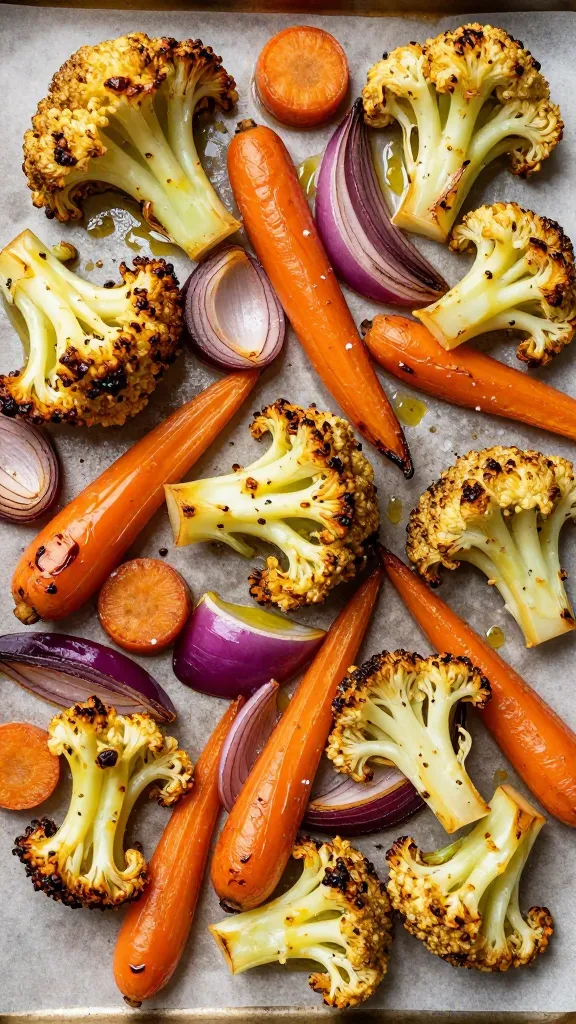
Store the fish and roasted veggies in separate containers to keep textures happy. The fish keeps 1–2 days in the fridge; veggies keep 3–4 days. For freezing, wrap fish tightly to avoid freezer burn and thaw overnight in the fridge before reheating gently. Avoid microwaving the fish at full power—use 50% for short bursts or a skillet with a splash of liquid for best results.
Benefits of This Recipe
- Weeknight-fast: Roasting and pan-searing run in parallel, which saves time and energy.
- Nutrient-dense: Lean protein, fiber-rich veggies, and heart-healthy olive oil check a lot of boxes.
- Low cleanup: One pan for veg, one skillet for fish. That’s it.
- Flexible: Swap veggies, use different fish, or tweak herbs without breaking the recipe.
- Meal-prep friendly: Roasted veg reheat like a champ, and the fish warms quickly without drying out if handled gently.
Common Mistakes to Avoid
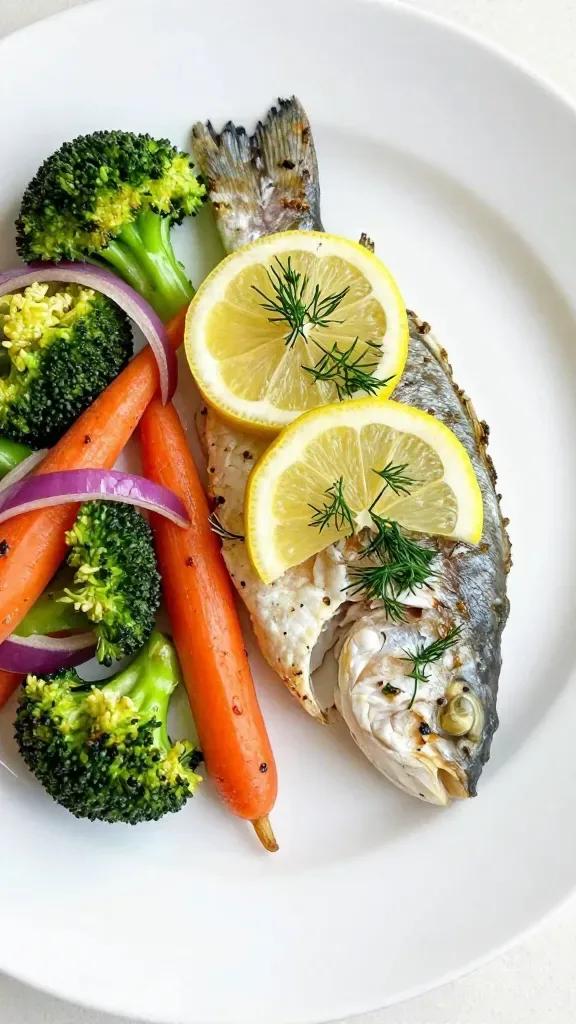
- Skipping the pat-dry step. Wet fish won’t sear; it’ll steam. Paper towels are your friend.
- Overcrowding the pan. If the fish fillets are crammed, they won’t brown well.
- Overcooking the fish. Pull at 135–140°F or when it flakes easily; residual heat finishes the job.
- Adding lemon too early to the veg. Acid can inhibit browning—save bright lemon hits for the fish or for the end.
- Forgetting to season in layers. A little salt on veg, a little on fish, plus the herby lemon mix = balanced flavor.
Alternatives
No cod? Use salmon, halibut, or trout. Salmon loves dill and lemon just as much—cook skin-side down first and render that skin crisp.
- Dairy-free: Skip the butter and finish with extra olive oil or a drizzle of good-quality EVOO.
- Herb swap: Try parsley, chives, or tarragon. Basil works too, but add it at the end to keep it bright.
- Veg variations: Use broccoli, Brussels sprouts, carrots, cherry tomatoes, or zucchini. Just match roasting times—denser veg need the full 25 minutes.
- Spice twist: Add a pinch of red pepper flakes, or swap paprika for cumin and coriander for a warmer vibe.
- Grill option: Grill the fish over medium heat 2–4 minutes per side and roast veg as directed indoors.
- Sheet-pan shortcut: Place seasoned fish on the veg for the last 8–10 minutes of roasting for a true one-pan meal. Watch closely to avoid overcooking.
FAQ
What kind of fish works best for lemon dill?
Any mild, flaky white fish like cod, haddock, or tilapia is perfect. Halibut is great if you want a meatier bite. Salmon also shines here—dill and lemon were basically made for it.
Can I use dried dill instead of fresh?
Yes, but use less. Dried dill is stronger, so start with 1 to 1.5 teaspoons and taste. Fresh adds brighter flavor and a nicer finish, IMO.
How do I know when the fish is done without a thermometer?
Gently press with a fork—the fish should flake easily and look opaque in the center. If it still looks translucent or resists flaking, give it another minute.
Do I have to marinate the fish?
Nope. The quick lemon-dill mixture acts like a mini marinade while the veg roast. If you have time, 10–15 minutes in the fridge won’t hurt and adds a touch more flavor.
What can I serve with this to make it a full meal?
It’s already quite balanced, but you can add a simple green salad, crusty bread, or quinoa/rice if you want extra carbs. A yogurt-dill sauce on the side is also lovely.
How do I keep the fish from sticking to the pan?
Use a well-heated pan and add oil only when it’s hot. Don’t flip too early—once a crust forms, the fish releases more easily. A nonstick skillet is the safest bet.
Final Thoughts
This lemon dill fish with roasted veg is the kind of meal that feels restaurant-nice but totally weeknight-easy. It’s bright, cozy, and adaptable to whatever’s in your fridge. Try it once and you’ll keep it in rotation. Happy cooking—and don’t forget that extra squeeze of lemon at the end!
Printable Recipe Card
Want just the essential recipe details without scrolling through the article? Get our printable recipe card with just the ingredients and instructions.


